.png)
Are Art Reproductions Legal & What Artists Should Know Before Selling Prints
Most artists think selling prints is just about making copies. Press print, ship it out, done. But the law sees more than that — and if you don't, you're inviting trouble. Reproductions may feel like passive income, but they carry legal weight on every transaction. Especially if you're selling work you didn't create or ignoring copyright lines.
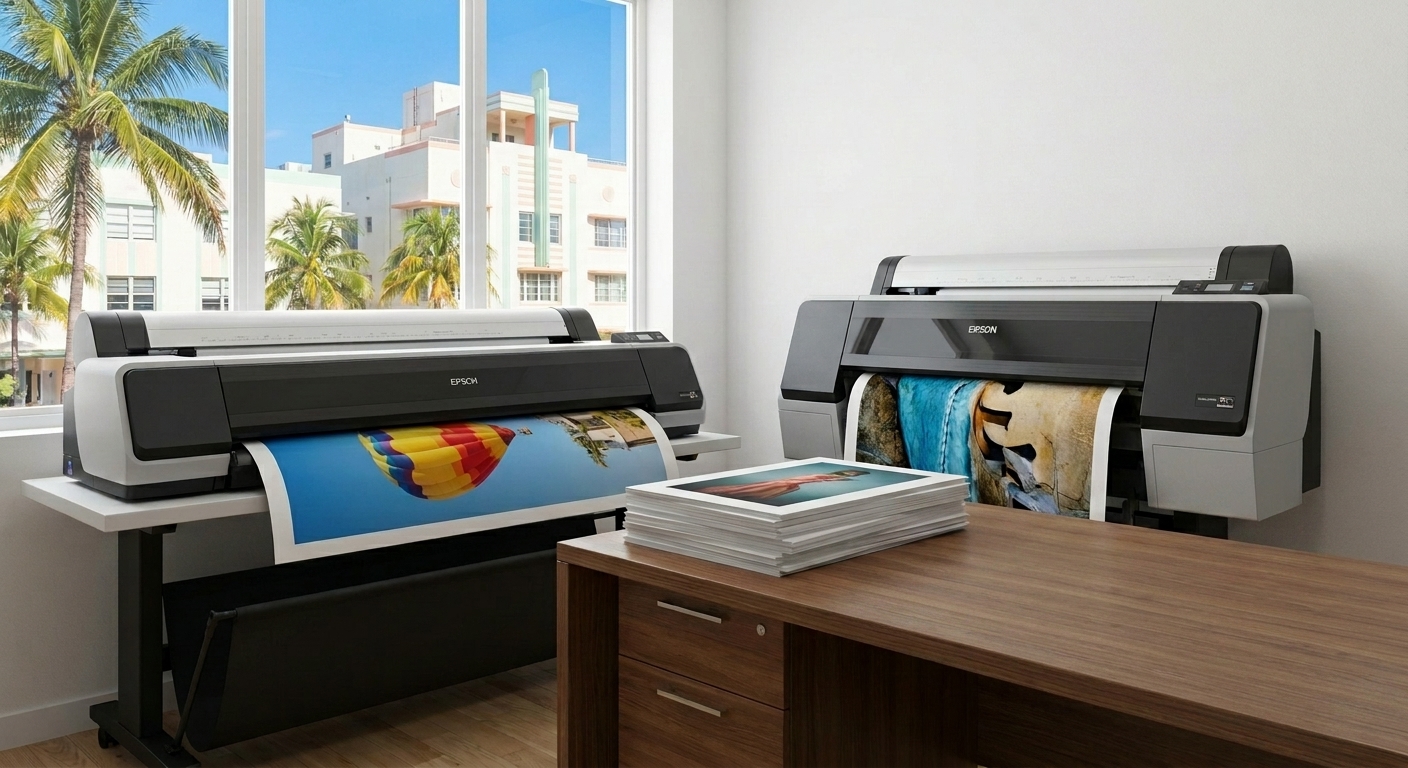
Here's the reality. If you're turning original pieces into prints to reach more people, that's smart. Just don't treat reproduction rights like they're automatic. Every image should have clear ownership. Every sale needs legal backing. And every business decision should be rooted in who created the work — not just what sold well on Instagram.
When a Print Is Yours and When It Isn't
Nine times out of ten, reproducing your own artwork is perfectly legal. You made it, you own the copyright — that's protection, not just paperwork. The law doesn't care how many prints you run, only whether the work is yours and whether you're respecting boundaries.
But if you're copying someone else's piece? Completely different story. Unauthorized reproductions count as infringement, especially if the original artist never gave consent or signed off on licensing. We've seen this blow up across print-on-demand platforms. Plenty of sellers thought borrowed images were fair game — they weren't. And when copyright holders push back, the platforms expect proof of ownership or they'll pull your listings and ban your account.
The Rights You Can Claim
You can't just slap any image onto a canvas and call it yours — that's stealing creative labor. But original work you produced? That's usually protected the moment you finish it. Copyright law generally lets you reproduce and sell prints of anything you authored.
Here's where ownership gets critical:
- Work you created from scratch is automatically copyrighted to you, no registration required
- Commissioned pieces may belong to the client unless your contract states otherwise
- Collaborative projects need written agreements on who can reproduce what
- Public domain artworks are fair game, but you need to confirm expiration dates and jurisdiction
- Licensed images require explicit permission, and terms vary wildly depending on the agreement
- Fan art or derivative works based on existing IP can land you in legal trouble even if you drew it yourself
When Protection Doesn't Apply
Want to claim ownership? You'll need to prove the work originated with you — and that no one else holds conflicting rights.
The law has three main checkpoints:
- You created the work independently, not by copying or heavily referencing someone else's piece
- You didn't sign away reproduction rights through a contract or work-for-hire agreement
- You maintained proper documentation showing the creative process, drafts, or original files
Fail one of those, and your claim falls apart. Even if the artwork technically came from your hands. And if any portion of the image includes someone else's protected elements? That section's off limits too. No partial rights for a landscape that includes a copyrighted character, even if you painted everything else.
Registration Matters More Than You Think
Copyright exists the second you finish a piece, but formal registration unlocks real legal muscle. Without it, you can't file infringement lawsuits in most jurisdictions. With it, you can pursue statutory damages and attorney fees — which often matter more than actual losses.
You'll need to submit your work through the proper channels and pay the filing fee to lock in protection. Most working artists skip this step until something goes wrong — but those who register early save themselves headaches later. Especially if they're building a brand or selling across multiple platforms.
Your Print Business Is Only As Strong As Your Documentation
Want to defend your rights? Show your receipts. You'll need more than a finished JPEG to back up your claims.
Here's what your records should include:
- Original files with timestamps showing creation dates
- Progress shots, sketches, or layer breakdowns proving the work is yours
- Contracts or agreements if the piece was commissioned or collaborative
- Registration certificates if you filed with a copyright office
If someone challenges your ownership, they won't just take your word for it. Mixing your original work with borrowed elements is one of the fastest ways to lose a case. So if that print you're selling includes stock photos or traced references, you'd better have licenses or disclaimers.
Where Most Artists Mess Up

Assuming Fan Art Is Safe
Drawing your favorite character and selling prints at a convention? That's infringement, even if you stylized it. The original IP holder controls commercial use. Some companies turn a blind eye. Others send cease-and-desists. Don't gamble your business on maybe.
Forgetting About Model and Property Releases
Photographed a person or recognizable building and turned it into art? You might need permission to sell reproductions. Commercial use rules apply even when your work is transformative. If the subject is identifiable, get a release. It's boring. It protects you.
Ignoring Print-on-Demand Platform Rules
Uploading designs to third-party printers without vetting their terms is a fast track to account suspension. If they detect copyrighted material — or someone files a complaint — your store gets pulled. Reference platform policies and don't assume anything. That's what copyright tools and legal checkups are for.
Questions Artists Actually Ask
Can I sell prints of my own artwork?
The artwork itself? Yes, if you created it and own the rights. That's your intellectual property, so reproduction is fair game — as long as the original work doesn't include someone else's protected material and the documentation backs you up.
How many prints can I make without registration?
There's no legal cap on quantity. Copyright protection exists regardless of how many copies you produce. Registration just strengthens your ability to enforce those rights if someone steals your work.
Is selling reproductions of old paintings legal?
Sort of. If the original artwork is in the public domain, yes. But you need to verify copyright expiration based on the artist's death date and local laws. Think of it as a green light with homework required.
When to Bring In Legal Backup
If your print catalog includes commissioned work, collaborative pieces, or anything remotely derived from existing content, you're in territory where guesswork gets expensive.
A legal pro helps you:
- Draft contracts that protect reproduction rights and clarify ownership
- Navigate licensing deals if you want to allow third-party use
- Handle takedown notices or infringement claims properly
- Register your work strategically so enforcement is actually possible
- Separate personal projects from commercial inventory cleanly
It's not just about avoiding lawsuits this year. It's about building clean practices that keep your art business sustainable and protected for the long haul.
Selling Smart Means Staying Legal
Creating beautiful prints isn't the hard part. Protecting what you made — and proving you have the right to sell it — that's where artists get blindsided. There's no excuse for cutting corners when the protections are built into the law. But there's also no second chances when you cross someone else's copyright line.
Reproductions aren't just products. They're extensions of your creative work, and they deserve the same care you put into the original. Whether you're running limited editions with giclée prints or flooding print-on-demand platforms, know what you own, document what you create, and respect what belongs to someone else. Understanding digital art reproduction standards helps ensure every copy maintains the integrity of your original vision. If you're working with canvas prints, metal surfaces, or framed art, partnering with professional art printing services can help you deliver quality reproductions that honor both your work and your legal rights. That's how you build something real without looking over your shoulder.
Let’s Protect Your Art and Grow Your Print Business
We know how much your creative work means to you, and we’re here to help you navigate the legal side of selling prints with confidence. If you want to make sure your art is protected and your print sales are set up for success, let’s talk. Call us at 305-754-3888 or request a quote today and let’s move your art business forward together.