.png)
Bring Unique Texture to Art With Custom Wood Printing in Miami
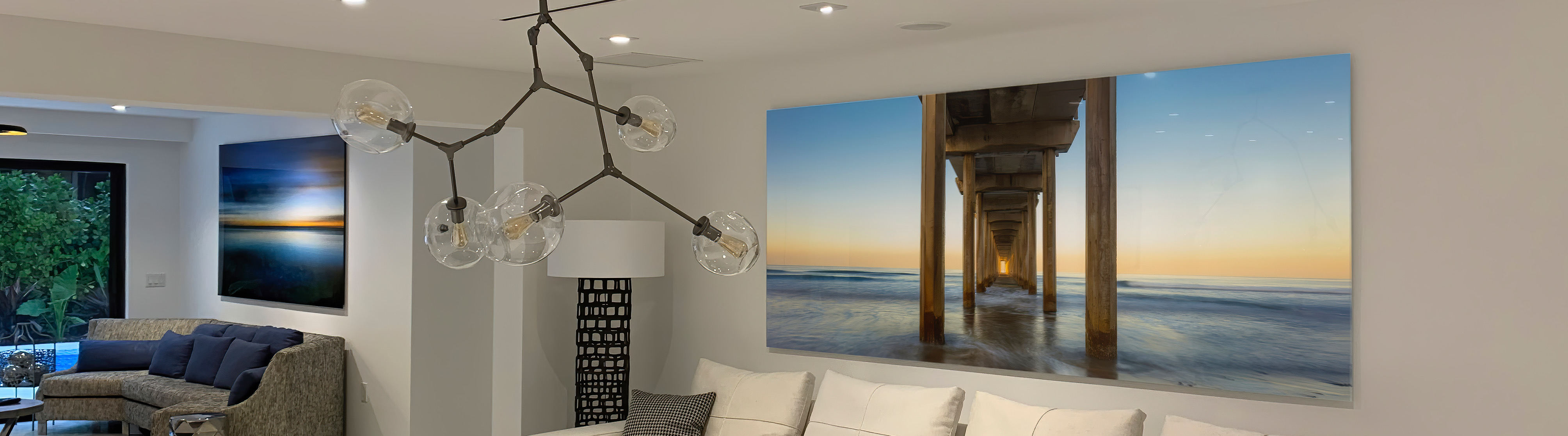
Most people think prints are just about the image. Color in, frame it, hang it up. But there's more beneath the surface — and if you're not paying attention, you're missing what makes art actually memorable. Wood printing doesn't just capture a picture. It transforms it. The grain becomes part of the composition. The knots add character. And the texture? That's what stops people in their tracks.
So here's what matters. If you're investing in art that means something, don't settle for flat reproductions. Every piece should reflect intention. Every detail should have purpose. And every choice — from the wood species to the finish — should be grounded in how the final work will live in your space, not just how it looked on a screen.
Wood Grain Changes Everything
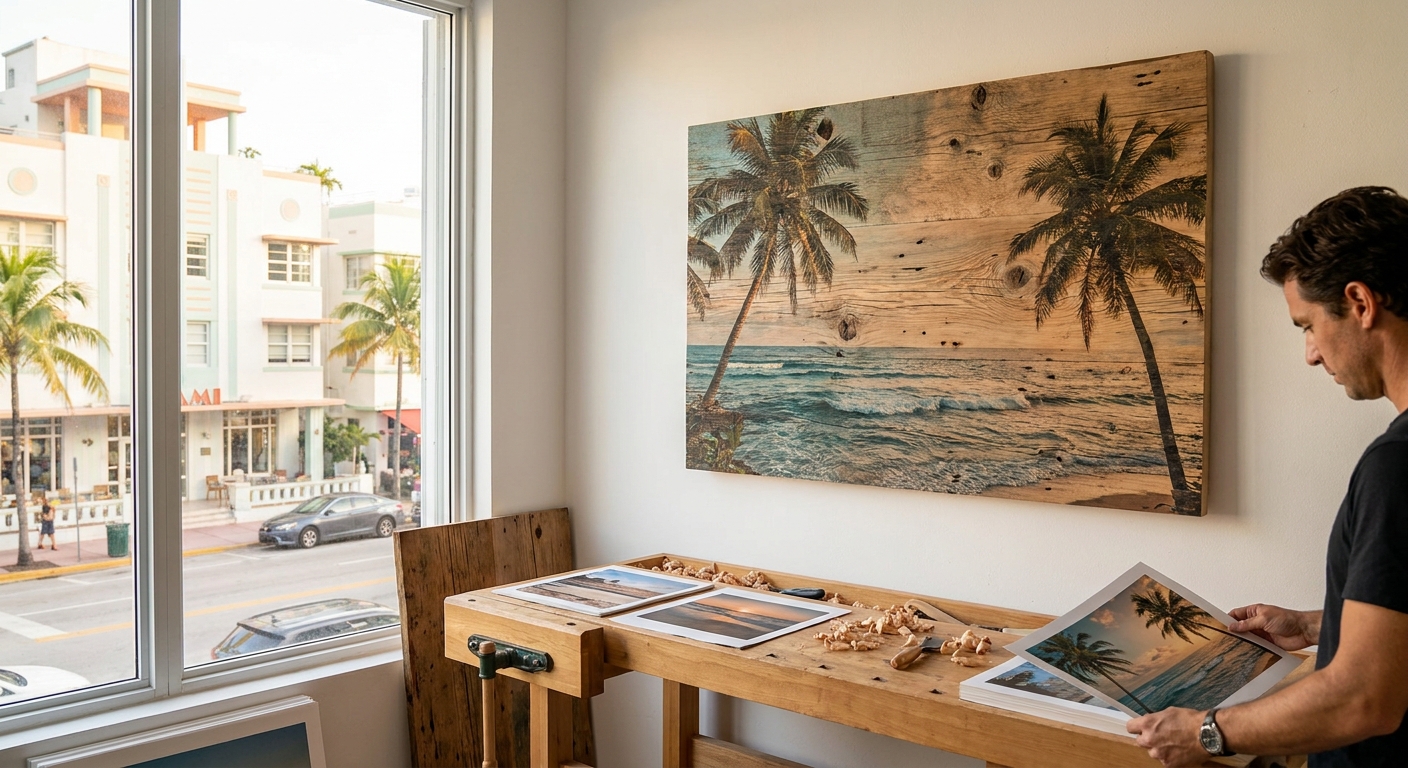
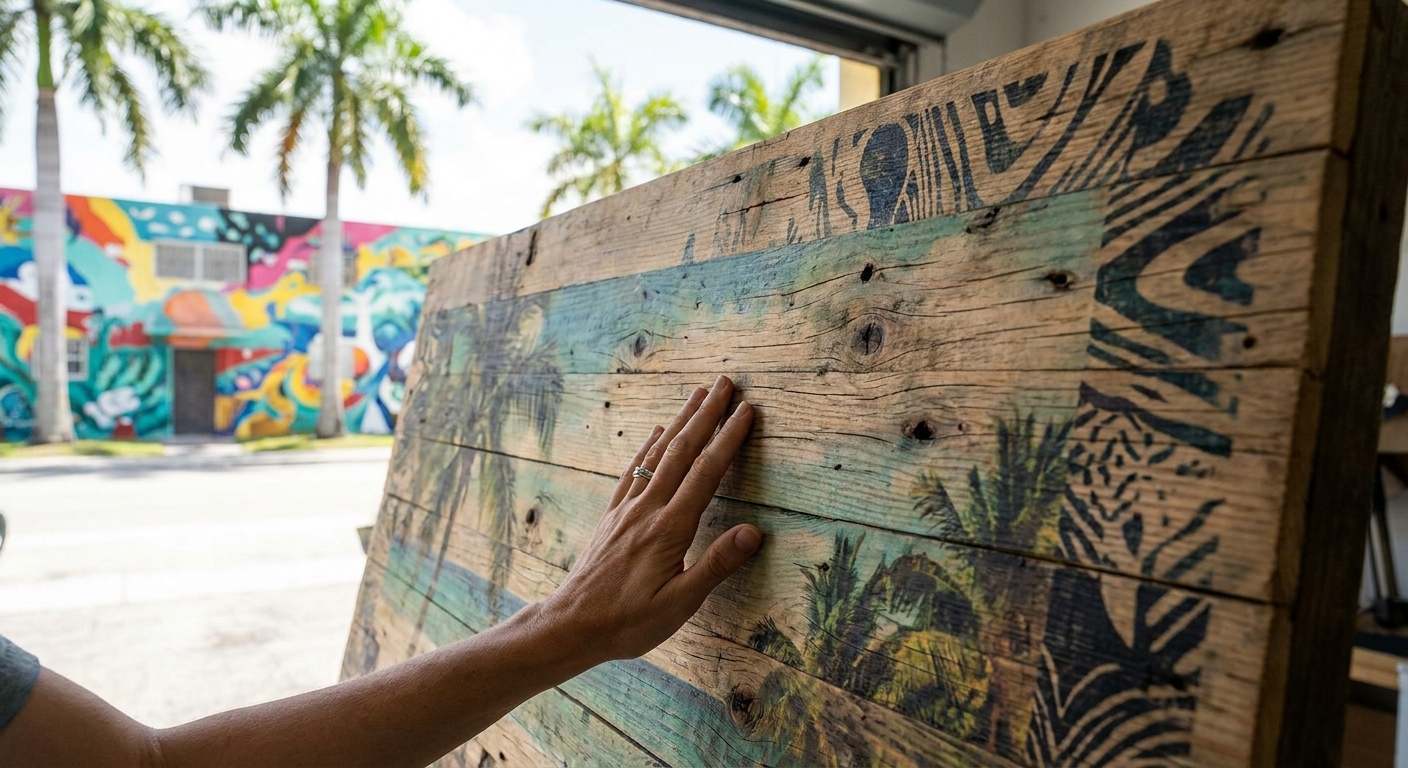
Standard prints sit on the surface. Wood prints become part of it. The natural patterns — rings, streaks, imperfections — interact with your image in ways you can't predict or replicate. That's the beauty. Two prints from the same file won't look identical because the wood underneath is never the same twice.
Miami's art scene thrives on this kind of unpredictability. We see it in Wynwood murals, in gallery openings, in the way collectors gravitate toward pieces that feel raw and real. Direct wood printing taps into that energy. It's tactile. It's organic. And it refuses to blend into the background.
Why Artists Keep Coming Back
We've worked with enough creatives to know what pulls them toward wood. It's not a trend. It's a medium that actually does something different. And when you're trying to stand out in a saturated market, that difference is everything.
- The texture adds dimension without adding weight or bulk
- Natural wood tones warm up images in a way canvas never does
- Sustainably sourced materials align with values that matter to Miami buyers
- Durability means your work holds up in humid climates and high-traffic spaces
- No framing required — the wood is the statement
How the Process Actually Works
You don't just slap ink on wood and call it done. There's preparation involved. The image gets adjusted for tone and contrast because wood absorbs light differently than paper. UV-cured inks bond directly to the surface, allowing the grain to show through without muddying the colors. Then a protective layer seals it all in, guarding against moisture and fading.
Customization is where things get interesting. You pick the wood type — birch for smooth consistency, maple for subtle grain, reclaimed lumber for character and history. You choose the finish. You decide whether the edges stay raw or get a clean border. Every decision shifts the final look, and every choice should tie back to where the piece will hang and what it needs to communicate.
What You Can Print On
Not all wood behaves the same way. And not every image works on every surface. Understanding the options keeps you from wasting time and money on a result that doesn't deliver.
- Birch plywood offers a consistent, light background ideal for vibrant images
- Maple provides subtle grain that complements portraits and fine art photography
- Reclaimed wood brings texture and history, perfect for rustic or industrial themes
- Cedar adds warmth and a natural aroma, often used for outdoor or nature-focused work
- Bamboo delivers an eco-friendly option with unique linear grain patterns
Where Wood Prints Belong in Miami
This isn't just gallery art. Wood prints show up in restaurants, offices, hotels, retail spaces — anywhere that needs visual impact without looking sterile. Miami's climate can be brutal on traditional prints. Humidity warps paper. Sun bleaches canvas. Wood holds its ground.
We see businesses using custom wood prints for branded signage, menu boards, and lobby installations. Homeowners commission them for family portraits, travel photography, and statement pieces above mantels or dining tables. Artists sell them at Art Basel and local markets because buyers want something that feels handmade, even when it's digitally produced.
Common Mistakes That Kill the Effect
Choosing wood printing doesn't automatically make your art better. Execution matters. And we've seen plenty of people trip over the same issues.
- Picking the wrong wood type for the image style or color palette
- Ignoring how lighting will interact with the grain and finish
- Skipping the protective coating and letting moisture ruin the print within months
- Using low-resolution files that look pixelated when blown up on wood
- Forgetting to account for the wood's natural color shifts in different lighting
Finding the Right Studio
Not every print shop knows how to handle wood. You need a team that understands both the technical side and the artistic intent. Ask about their wood sourcing. Check their portfolio for range and quality. Talk through your vision before committing to a size or finish.
A good studio will walk you through the process, suggest tweaks to optimize your image for wood, and show you samples so you know what to expect. They won't rush you. They won't upsell you on options that don't serve the piece. And they'll make sure you leave with something you're proud to display.
What to Bring to Your Consultation
Show up prepared and you'll get better results. Studios can work faster and more accurately when you've done your homework.
- High-resolution digital files in the correct format
- Reference images or examples of finishes and styles you like
- Measurements of the space where the piece will hang
- Notes on lighting conditions and surrounding décor
- A clear budget so the studio can recommend the best options within your range
Wood Printing Pays Off Long Term
Cheaper prints fade. They warp. They end up in storage or the trash within a few years. Wood prints last. They age well. And they hold value in a way that mass-produced canvas never will. Whether you're an artist building a portfolio or a collector investing in pieces that matter, wood printing delivers durability and distinction that justify the upfront cost.
Miami's art market moves fast, but quality always finds its audience. Wood prints stand out in a sea of sameness. They command attention. And they reward the people who choose them with something that feels permanent, personal, and impossible to ignore.
Why We Push Wood Over Canvas
Canvas has its place. But for clients who want texture, longevity, and a conversation piece, we steer them toward wood every time. The medium does half the work for you. It adds warmth. It creates depth. And it turns a good image into something people remember.
- Wood doesn't sag or stretch over time like canvas can
- The texture engages viewers on a sensory level, not just visual
- Natural materials resonate with buyers who value sustainability
- No need for glass or heavy framing — the wood is the finish
- Prints hold up in humid, high-traffic environments without fading or damage
Make It Count
Custom wood printing isn't about following trends. It's about making choices that elevate your work and give it staying power. Miami's art community rewards boldness, originality, and craftsmanship. Wood printing checks all three boxes. If you're ready to bring unique texture to your art, stop treating prints like commodities. Treat them like investments. Because the right piece on the right surface doesn't just fill a wall — it defines a space.
Let's Create Art That Lasts
We believe every piece deserves to be as bold and memorable as Miami itself. If you're ready to see your art transformed with the warmth and character only wood can provide, let's talk about your vision and how we can bring it to life. Call us at 305-754-3888 or request a quote and let’s start crafting something truly unforgettable together.