
How Much Does It Cost to Have Art Prints Made?
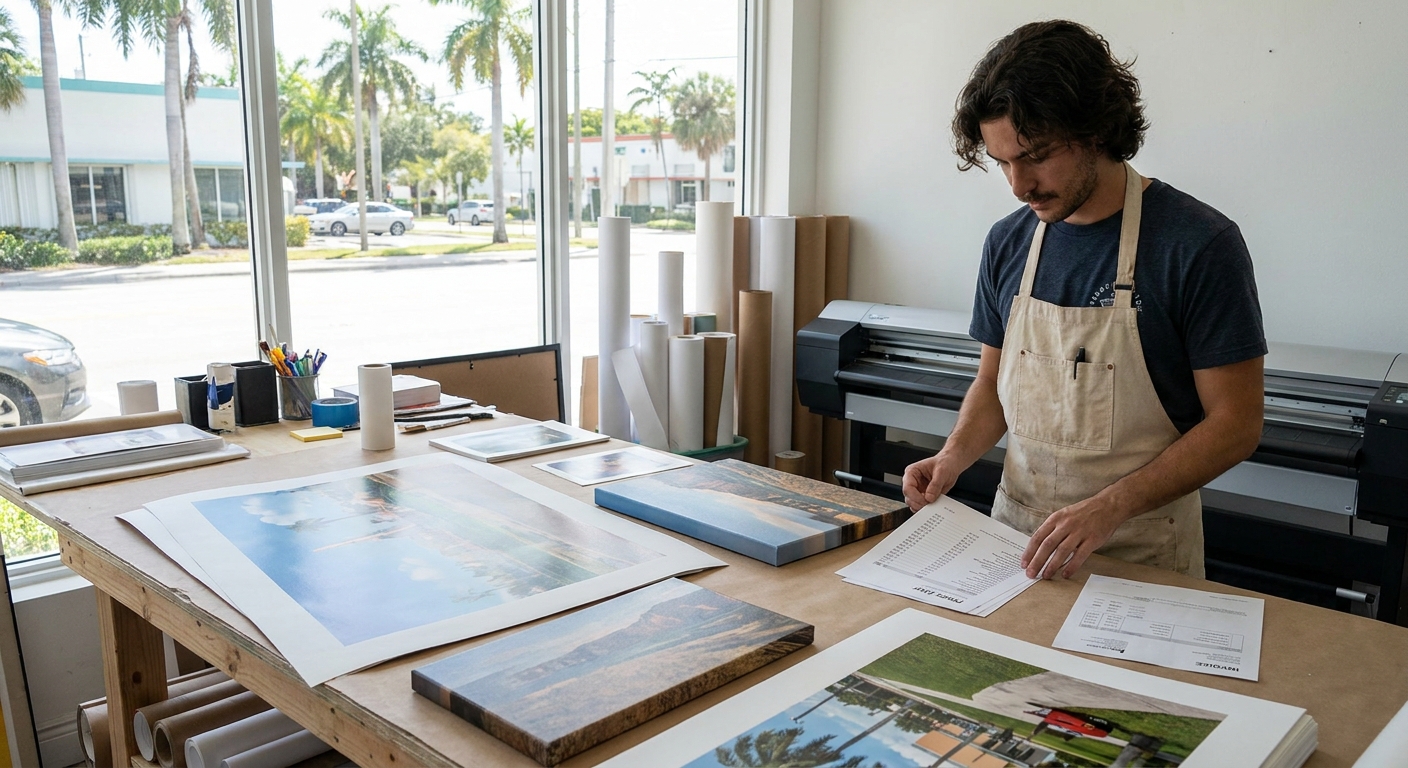
Most artists think print costs are simple math. Upload a file, pick a size, pay the bill. But the real number depends on choices you probably haven't considered yet — and if you skip those details, you'll either overpay or end up with prints that don't do your work justice. Paper quality matters. Print method matters. Volume matters. And every decision shifts the price in ways that aren't obvious until you're comparing invoices.
So here's what we know. If you're turning original art into something people can buy or hang, that's smart. Just don't assume all printers are the same or that the cheapest option won't cost you later. Every print should reflect the quality of your original. Every order needs a strategy. And every pricing decision should be based on how you plan to use the prints — not just what sounds affordable right now.
Print Method Drives the Budget
Nine times out of ten, the method you choose sets the floor and ceiling for what you'll spend. Giclée printing uses high-end inkjet technology and delivers museum-grade color accuracy — but you're paying for that precision. It's perfect for limited runs or one-offs, especially when every shade needs to match your original. Offset printing, on the other hand, is built for volume. The per-unit cost drops fast once you hit higher quantities, but you'll need to cover setup fees upfront.
Then there's standard photo printing, which is fast and cheap but won't hold up the same way archival methods do. If your prints are going into framed art and staying there for years, that matters. If they're promotional giveaways or event materials, maybe it doesn't. The key is matching the method to the lifespan and purpose of the print — not just the price tag.
Material Choices Add Up Fast
You can't separate cost from what you're printing on. The substrate — whether it's paper, canvas, or something specialty — has a direct impact on both durability and expense. Archival-grade paper resists fading and degradation, but it's not cheap. Canvas prints feel premium and work well for gallery-style presentation, but they cost more to produce and often require stretching or mounting.
Here's where material decisions matter most:
- Archival fine art paper holds color longer and resists yellowing, but expect higher per-print costs
- Standard matte or glossy photo paper is budget-friendly but won't last decades without protection
- Canvas stretched over frames adds dimension but increases production time and price
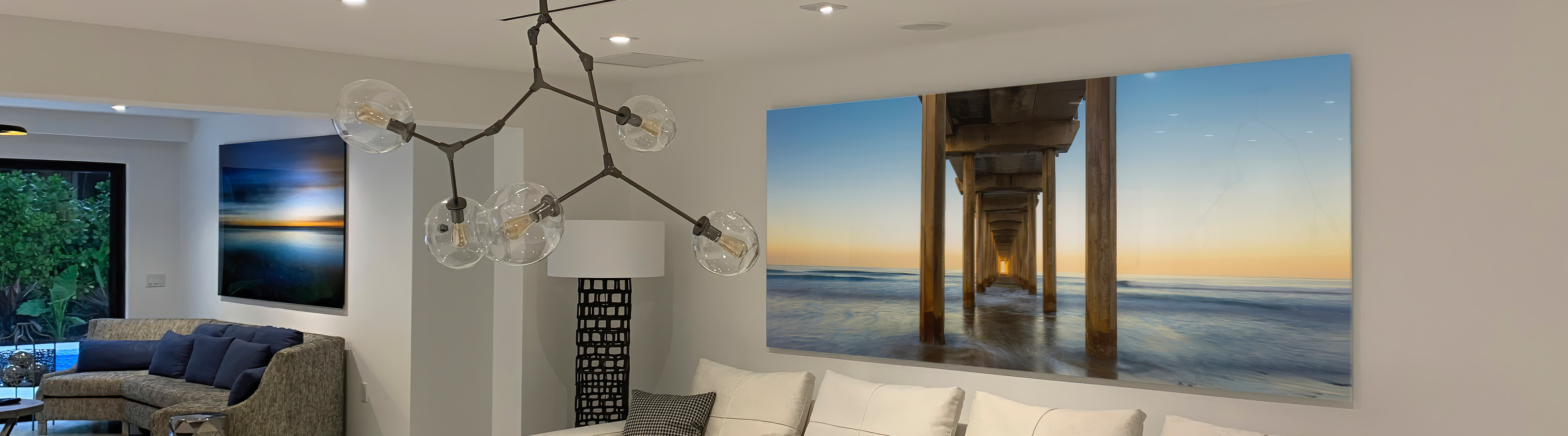
- Metal or acrylic prints offer a modern look with serious durability, though they're among the priciest options
- Textured or specialty papers can elevate the final product but may require custom handling or proofing
Size and Quantity Shift the Numbers
Bigger prints eat more material and ink, so costs climb with dimensions. Standard sizes like 8x10 or 11x14 are easier on the wallet because they fit common paper stocks and don't require custom cutting. Go larger or choose non-standard dimensions, and you're paying for waste, setup adjustments, or premium stock.
Volume plays the opposite role. Order one print and you're covering the full cost of setup, proofing, and labor. Order fifty and those fixed costs get spread across every unit. Most printers offer tiered pricing that rewards bulk orders, so if you're planning to sell or distribute prints, running the numbers on a larger batch usually makes sense. Just don't overcommit to inventory you can't move.
Finishing Touches Cost More Than You Think
Raw prints are just the starting point. Matting, framing, varnishing, or mounting all add to the final bill — and they're not small line items. A basic frame might run twenty to fifty bucks, but custom framing with UV-protective glass or archival matting can easily triple that. If you're selling prints, offering them pre-framed increases perceived value but also increases your upfront investment.
Here's what finishing options typically include:
- Matting creates a professional presentation and protects the print edges
- Standard frames are affordable but may not suit every style or size
- Custom framing allows control over aesthetics but costs significantly more
- Protective coatings or varnishes add longevity, especially for canvas prints
- Mounting on foam board or gatorboard keeps prints flat and ready to display
Local Shops Versus Online Printers
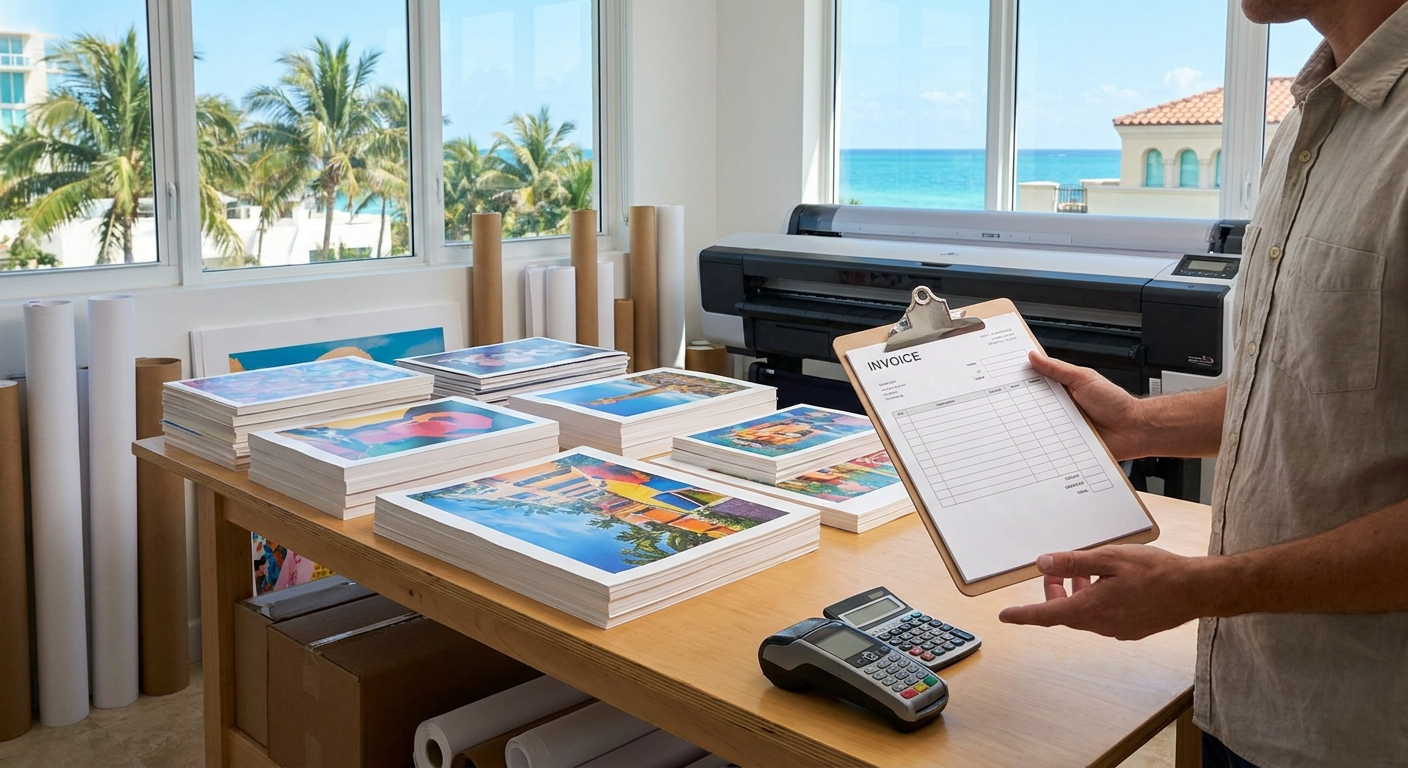
Choosing where to print isn't just about convenience. Local print shops offer hands-on service, proofing in person, and faster turnaround for small batches. You can see samples, adjust colors on the spot, and build a relationship with someone who understands your work. But that personal touch comes at a premium, and their pricing often reflects smaller-scale operations.
Online printers leverage scale to keep costs down. They handle high volumes, automate workflows, and pass savings along — especially if you're ordering in bulk. The trade-off is less control over proofing and color matching. You're trusting their process, and if something's off, you won't know until the prints arrive. Always request a test print or proof before placing a large order, regardless of where you go.
What You'll Actually Pay
Real-world pricing depends on all the variables we've covered, but here's a rough guide based on current market rates. A single 8x10 giclée print on archival paper typically runs fifteen to thirty dollars. Scale up to 16x20 and you're looking at forty to a hundred per print. Canvas giclée prints start around fifty dollars and climb past one-fifty for larger sizes with gallery wrapping.
Offset printing flips the script when you order in volume:
- Batches of a hundred or more can drop per-unit costs to two to ten dollars for standard sizes
- Setup fees for offset runs often start at several hundred dollars, so small orders don't make sense
- Photo prints on non-archival paper are the cheapest, usually two to ten dollars for sizes up to 11x14
- Framing adds twenty to over a hundred dollars per print depending on materials and customization
- Shipping costs vary widely based on size, weight, and packaging needs, especially for fragile or oversized prints
How to Keep Costs Under Control
Want to stretch your budget without sacrificing quality? Start by ordering in larger quantities if you're confident in demand. Bulk discounts are real, and they add up fast. Stick to standard sizes whenever possible — custom dimensions trigger extra fees and complicate framing down the line. Compare quotes from multiple printers, and don't be shy about asking for artist discounts or bulk pricing tiers.
Always proof before committing to a full run. A single test print costs a fraction of what you'd lose if an entire batch comes back with color shifts or resolution issues. And if you have access to a high-quality printer and archival materials, printing small batches yourself can cut costs while giving you total control over the final product.
Quality Costs, But Shortcuts Cost More
Turning your art into prints isn't the hard part. Choosing the right materials, method, and printer — and knowing what you're paying for at every step — that's where artists get caught off guard. There's no excuse for cutting corners when your reputation is on the line. But there's also no sense in overspending on features that don't serve your goals. Professional art printing services balance quality, cost, and purpose without compromise, helping you make informed decisions about choosing the right paper for fine art prints and selecting metal surfaces or other premium options when they truly serve your work.
Let’s Bring Your Art to Life
We know how much your art means to you, and we’re here to make sure every print does your work justice. If you’re ready to talk options, compare materials, or just want honest advice on the best way to get your art out into the world, let’s connect. Call us at 305-754-3888 or request a quote and together we’ll create prints you’re proud to share.