
.png)
Understanding the 2 3 Rule in Art & How Artists Use It in Their Work

Most people think composition is just about gut feel. Instinct and vision. But the best artists know that structure drives impact—and if you ignore the math behind visual balance, you're leaving power on the table. The 2 3 Rule isn't some dusty academic theory. It's a working tool that shapes how viewers move through a piece, where their eyes land, and what they remember when they walk away.
So here's what matters. If you're building something worth looking at, proportion isn't optional. Every element should pull weight. Every placement needs intention. And every compositional choice should be grounded in how the space divides—not just how it feels in the moment.
The Ratio That Shifts Everything
The 2 3 Rule breaks a canvas into unequal parts—two-fifths on one side, three-fifths on the other. That's it. No perfect symmetry, no rigid grid. Just a clean division that creates tension without chaos. You can run it horizontally, vertically, or at an angle, depending on what the piece demands.
This isn't the Rule of Thirds dressed up in new language. The Thirds chop everything into equal slices. The 2 3 Rule tilts the balance just enough to make things interesting. That subtle imbalance is what keeps a viewer looking. It's what separates a snapshot from a statement.
Where This Thing Came From
Artists have been obsessed with ratios for centuries. Renaissance masters built entire careers on mathematical harmony. The Golden Ratio gets all the press, but the 2:3 proportion has been quietly working in the background of classical paintings, architectural facades, and sculptural forms. Whether they calculated it or felt it, the ratio showed up.
These days, it's taught alongside other foundational tools. Beginners pick it up fast because it's intuitive. Professionals stick with it because it delivers results without overthinking.

Placement Drives Focus
Artists don't just drop subjects anywhere and hope for the best. The 2 3 Rule gives them anchor points. Here's how it plays out in practice:
- Focal Point Positioning: Place your main subject where the two-fifths line intersects with another division. It creates emphasis without dead-centering the action, which tends to flatten energy.
- Weight Distribution: A large form can dominate two-fifths of the frame while smaller elements fill the remaining three-fifths. The eye registers balance, but the composition stays alive.
- Visual Pathways: Line up key details along the 2:3 divisions to guide the viewer's eye across the work. It's a roadmap they don't realize they're following.
- Depth Layering: In scenes with perspective, allocate foreground and background space using the ratio. It reinforces distance and makes flat surfaces feel dimensional.
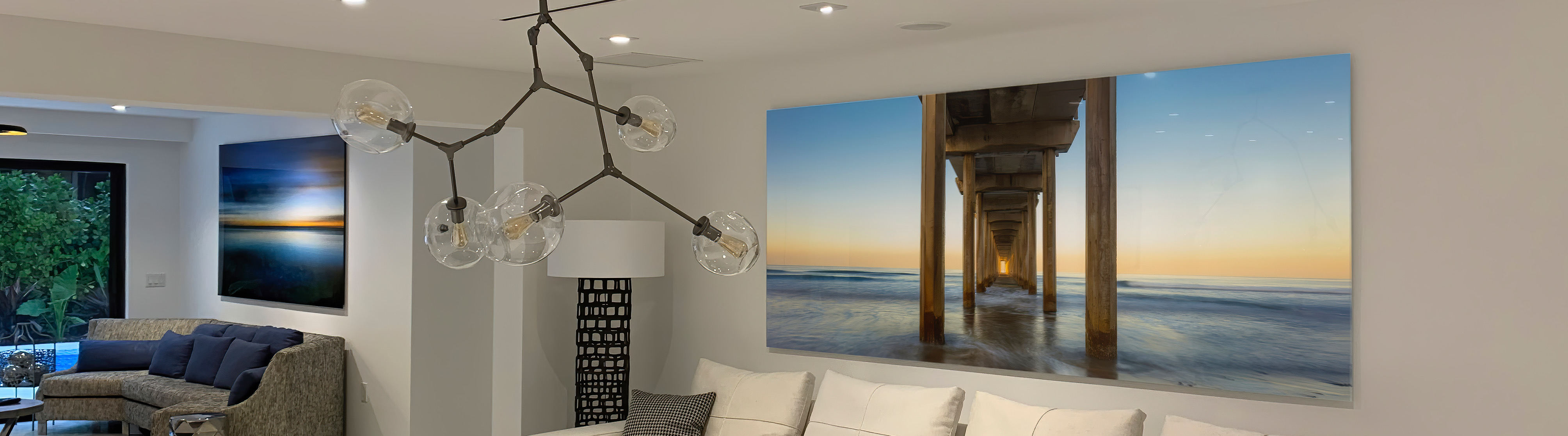
- Horizon Lines: Landscape artists rarely split sky and earth down the middle. Dropping the horizon at two-fifths or three-fifths lets one element dominate and sets the emotional tone.
Real Work That Proves It
Look at Monet's water lily paintings. The horizon sits low, sky fills the frame, and the weight shifts toward reflection and atmosphere. That's the 2 3 Rule in motion. Or check Friedrich's mountain landscapes—dramatic skies press down on narrow bands of earth, and the ratio makes it feel intentional, not accidental.
Portrait photographers use it to position eyes along the two-fifths mark. Architectural shooters frame buildings so that structural elements align with the division. The rule adapts to the medium, but the logic stays consistent.
Why Your Eye Believes It
The 2 3 Rule works because our brains crave order without predictability. Perfect symmetry feels safe but static. The 2:3 ratio delivers structure with movement. It's balanced enough to feel intentional but tilted enough to stay engaging. That's the sweet spot where composition becomes magnetic.
Proportions You Can Count On
Mastering the 2 3 Rule doesn't mean measuring every line with a ruler. It means training your eye to see imbalance as an asset. Once you recognize the ratio in action, you start placing elements instinctively. Your compositions tighten. Your focal points land harder. And your work carries the kind of intentionality that separates amateurs from pros.
We've watched thousands of artists sharpen their approach by leaning into structural tools like this one. Whether you're working on canvas, exploring giclée prints, or choosing between metal surfaces and ultra HD print on acrylic glass, compositional principles remain constant. It's not about following formulas—it's about giving yourself a framework that makes every decision count. From framed art to acrylic blocks, the 2 3 Rule isn't magic. It's just math that knows how to move people.
Let’s Bring Your Artistic Vision to Life
We know how much thought and intention you pour into every detail of your art. If you’re ready to see your work printed with the same care for proportion and impact, let’s talk about how we can help. Call us at 305-754-3888 or request a quote—together, we’ll make sure your next project stands out for all the right reasons.