

What Is the Difference Between a Print and a Fine Art Print?
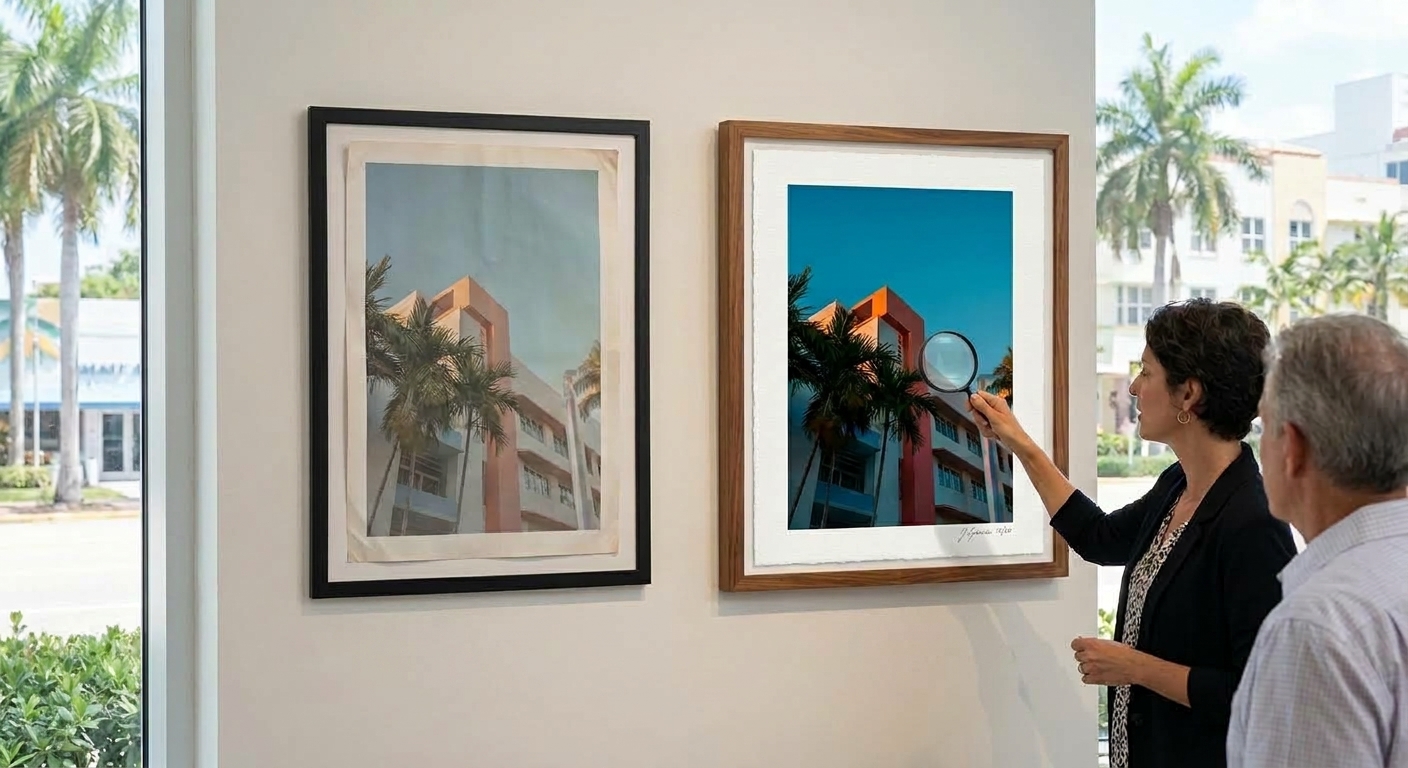
Most people think a print is just a print. Image on paper, frame it, hang it up. But the art world draws a hard line between what qualifies as "fine art" and what's just mass-market decoration. If you don't know the difference, you might overpay for something that won't last — or undervalue a piece that could hold its worth for decades.
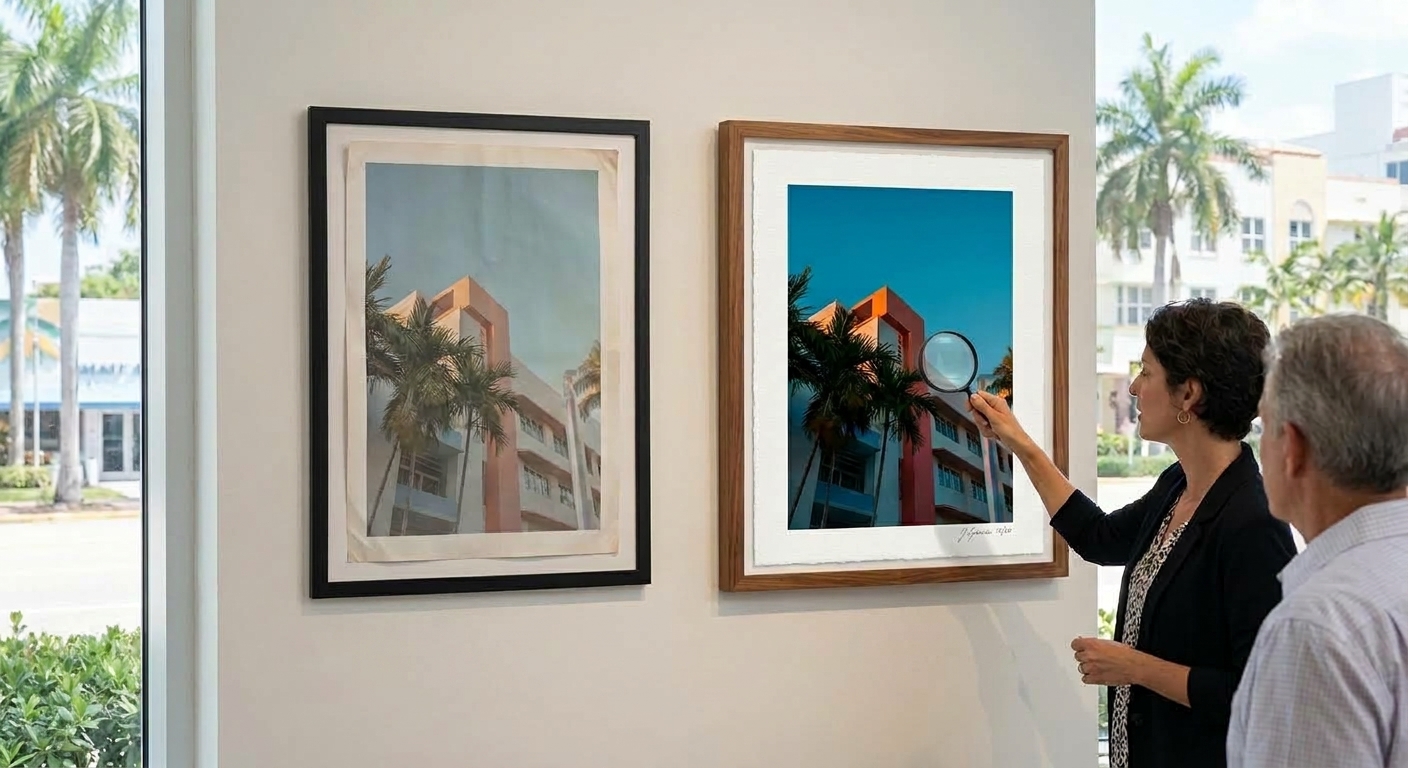
So here's the breakdown. If you're buying art to fill a wall, a standard print works fine. But if you're investing in something with longevity, authenticity, or resale potential, you need to understand what separates fine art prints from everything else. Every material choice matters. Every production method leaves a mark. And every decision about edition size and artist involvement changes what you're actually buying — not just what it looks like on your wall.
Standard Prints Are Built for Volume
A regular print is a reproduction. Plain and simple. These are cranked out in bulk using commercial printers — offset presses, digital machines, whatever gets the job done fast and cheap. The goal isn't authenticity or preservation. It's accessibility. You'll find these in home goods stores, online marketplaces, dorm rooms, and waiting rooms.
The paper is usually low-grade poster stock. The inks are dye-based, which means they fade under light and humidity. There's no artist approval, no quality control, and no limit on how many copies get made. Standard prints serve a purpose — they're affordable, they're decorative, and they don't pretend to be anything more. But they deteriorate. Colors shift. Paper yellows. And after a few years, what you hung up might not look anything like what you bought.
Fine Art Prints Are Designed to Last
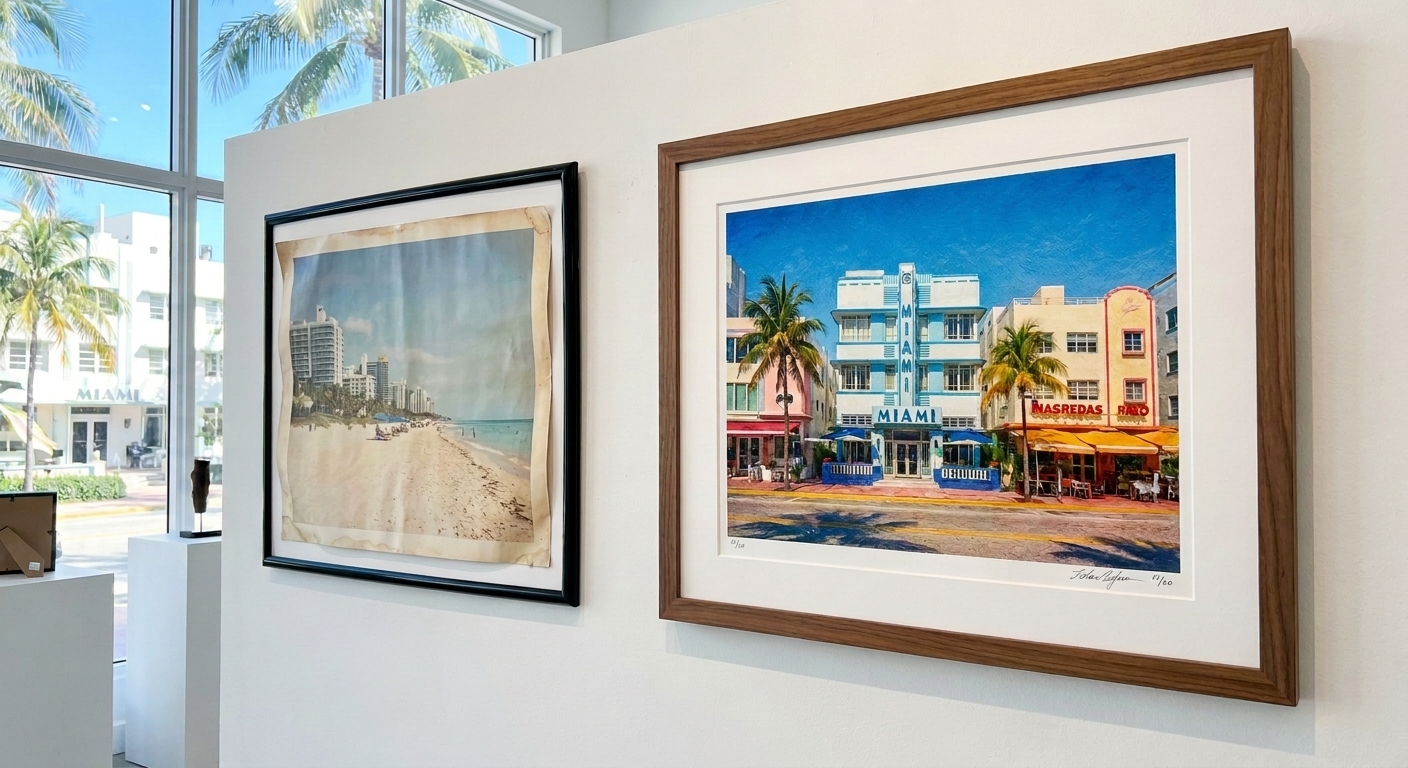
Fine art prints are a different animal. These are high-fidelity reproductions made with museum-grade materials and printing techniques. The intent isn't just to copy an image — it's to preserve it. That means archival paper or canvas, pigment-based inks, and processes like giclée printing that capture every detail with precision.
The inks don't fade. The paper doesn't yellow. And when stored or displayed properly, a fine art print can outlive the person who bought it. Many are produced in limited editions, numbered and signed by the artist. That signature isn't just branding — it's verification. It means the artist approved the quality, controlled the output, and stands behind the work. Fine art prints aren't just decor. They're collectible, traceable, and built to hold value.
What Separates Them on Paper
- Material quality: Fine art prints use acid-free, archival-grade substrates. Standard prints use whatever's cheap and available.
- Ink type: Pigment-based inks for fine art, dye-based for standard prints. One lasts centuries. The other fades in years.
- Print method: Fine art relies on giclée, lithography, or screen printing. Standard prints use offset or basic digital reproduction.
- Artist involvement: Fine art prints are signed, numbered, and approved. Standard prints are churned out with zero artist oversight.
- Edition limits: Fine art prints are capped at a set number. Standard prints have no ceiling — they'll print as many as they can sell.
Why Limited Editions Actually Matter
When a fine art print is marked as a limited edition, that's not marketing fluff. It's a legal and ethical commitment. The artist or publisher agrees to produce only a specific number of prints — say, 50 or 500 — and then destroys the plates or files. Each print is numbered (e.g., 12/50), and the edition size is documented.
This scarcity drives value. Collectors know exactly how many exist. And once the edition sells out, the only way to acquire one is through resale. Standard prints have no such limits. They can be reprinted indefinitely, which means they hold no collectible value. You're not buying a piece of a finite set — you're buying one of thousands, or millions.
The Longevity Gap Is Real
A standard print might look fine for a year or two. But hang it in a sunny room or a humid climate, and the decline is fast. Colors bleach out. Paper curls. The image loses contrast. Within five years, it's noticeably degraded. Within ten, it might be unusable.
Fine art prints are engineered to resist all of that. Archival paper is pH-neutral and lignin-free, which prevents yellowing. Pigment inks are lightfast, rated to last 100+ years under proper conditions. Even the protective coatings and mounting methods are chosen for durability. Museums use these same standards. So when you invest in a fine art print, you're not just buying what it looks like today — you're buying what it will still look like decades from now.
When You Should Pay for Fine Art Quality
- You're collecting: If you want art that holds or appreciates in value, fine art prints are the baseline.
- You care about authenticity: Signed, numbered editions offer proof of provenance and artist approval.
- You're displaying long-term: If this is going in your home or office for years, archival materials matter.
- You respect the artist: Fine art prints support the creator directly and honor the integrity of the original work.
- You want museum-grade quality: If the image matters to you, the materials and process should too.
What You're Really Paying For
Standard prints are priced for convenience. Fine art prints are priced for craftsmanship. You're paying for the paper, the inks, the printer calibration, the edition limits, and the artist's time. You're also paying for the assurance that what you're getting is legitimate, durable, and traceable.
That doesn't mean fine art prints are out of reach. Plenty of emerging artists offer signed, limited editions at accessible prices. But it does mean you should know what you're buying. A $20 poster isn't a fine art print, even if it's framed nicely. And a $200 giclée isn't overpriced if it's numbered, signed, and printed on archival stock. Context matters. So does honesty about what you're actually selling — or buying.
Where Buyers Get Burned
- Assuming all prints are equal: They're not. Materials and methods vary wildly, and price alone won't tell you the difference.
- Ignoring edition size: If it's not numbered, it's not limited. And if it's not limited, it's not collectible.
- Skipping provenance checks: A signature matters only if it's verifiable. Buy from reputable galleries or directly from artists.
- Choosing price over quality: A cheap reproduction will look cheap in two years. A fine art print will still look sharp in twenty.
Make Sure You Know What You Own
Buying art shouldn't feel like guesswork. Whether you're decorating a space or building a collection, the difference between a print and a fine art print is clear once you know what to look for. One is disposable. The other is designed to endure. One is mass-produced. The other is controlled, documented, and signed off by the person who created it. Professional printing services can help you understand paper selection for fine art prints or explore canvas printing options for lasting quality. Working with experienced art printing services ensures you're making informed decisions about materials and longevity.
We don't sell prints at BusinessCapital.com — but we do help business owners and creative professionals fund the tools, inventory, and equipment that let them produce work worth preserving. If you're scaling your creative business or investing in quality materials, we'll help you move fast with funding that's flexible, transparent, and built for people who take their work seriously. Call 877-400-0297 or apply online for a same-day decision.
Let’s Bring Your Creative Vision to Life
We know how important it is to invest in quality that stands the test of time. If you’re ready to elevate your art business or need funding to take your next big step, let’s make it happen together. Reach out to us at 305-754-3888 or request a quote and see how we can support your creative journey.